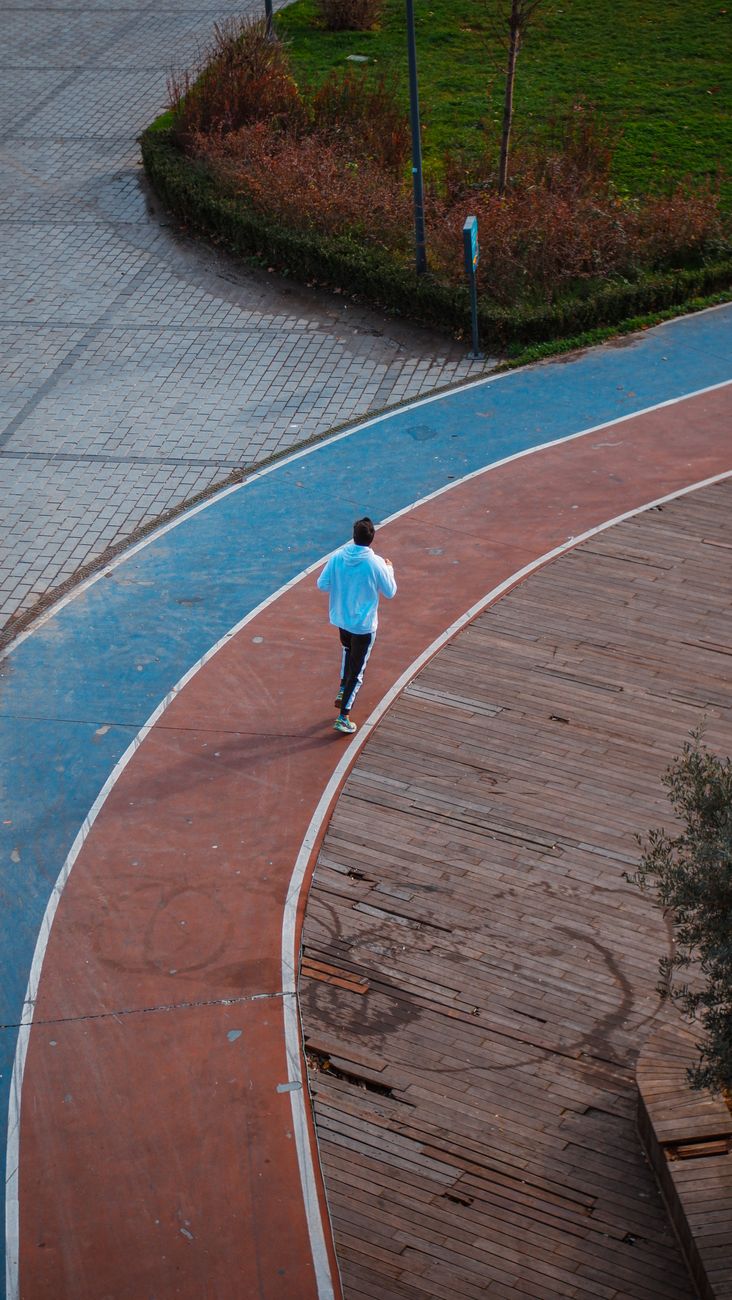
I do not know what it is, but people generally do not like to exercise. I do not know if it stems from P.E. classes in middle school or high school or if it is self-consciousness around the thought of people watching them; people have negative feelings around moving their body for any reason outside of utility or activities of daily living (ADLs). I am here to tell you that as someone who has worked out since they were nineteen, that the earlier you begin to make exercise a habit, the better off you will be as you age.
Since we are talking about weight management, exercise relates in two ways for the average person:
- If you don’t like exercise, then you need to watch what you eat
- If you like exercise, then you can be open to more foods and calorie loads
Personally, I prefer the latter option. I love to eat, but more importantly, I love to cook and bake. The kitchen is my chemistry set, and I love tasting my experiments. I am in my fifties now and cannot get away with much anymore in regard to my diet, but exercise is still an equalizer for me. I can eat sweets and chips every once in a while because I know I will burn some of them off during my next exercise session. In addition to burning calories, there is the mental aspect which, in my personal opinion, has kept me from having to use prescription drugs to regulate any anxiety or depressive thoughts.
It is a natural anti-depressive drug. It provides a sense of self-efficacy. “If I can run a mile/squat my bodyweight/roll jujitsu on a mat, etc., then I can get through whatever life has in store for me.” It helps regulate your sleep cycle. It helps manage anxiety. If you have depressive thoughts, exercise can help with serotonin and dopamine secretion. There are more mental health advantages to exercising than not. You just have to find the type you will always find time to do.
The type of exercise does not matter unless you are competing in a specific sport. Again, the type of exercise is not important unless you are trying to qualify for a certain event. It is more important that you complete the exercise continuously than the modality you choose. My grandmother lived to 103 not by going to the gym, but by gardening every spring and summer she was able to do so. She lived in the city, but used part of my mom’s backyard as her garden. She grew squash, zucchini, tomatoes, and green beans. It wasn’t much, but it kept her going and active. It always amazed me looking at her triceps. Yes, they were not rock hard, but they were not jiggly and were huge, as if she had lifted weights her entire life. I detail this to say that the exercise you see on TV, online, or in social media is not the only way to exercise. Be it weights or running or extreme offshoots of those activities, those are not the only ways to burn calories.
- Brisk walking for time over a set distance, or casual walking for distance
- Hiking
- Bike riding
- Paddleboarding
- Rowing
- Surfing
- Swimming for distance or speed or both
- Gardening
- Yardwork/Landscaping
- Stair climbing (bleachers or city staircases)
- Yoga/Pilates
- Calistenics
- Activities of Daily Living (ADLs)
- Cooking
- House cleaning
- Grocery shopping
- Dog walking
It does not matter what you do; at the end of the day, it all counts toward a caloric deficit.
There are people in the world who will try to discourage any type of exercise because you should accept the body you are in. While I agree that accepting your body for all its strengths and weaknesses is the route the average person should go, it does not mean you are incapable of asking your body to do more. Not more in relation to professional athletes, fitness influencers, or social media/print models; those groups have a financial incentive to push themselves physically and to look a certain way; but more in relation to your future health span.
“I’m fat. I accept it. There should be more clothes made to fit me. Society should work to accommodate me because I’m fat and it’s a disability. I should be treated with respect and dignity in the body I’m in. The laws of thermodynamics do not apply to me; therefore, I can eat whatever I want and definitely not exercise because my body is not for society’s consumption.” You get the picture. It is a sense that medicine and science do not apply to them, only to us.
I have hypertension that is controlled by medication. However, I am on the lowest dose needed to regulate it. Eventually I will be able to remove the medication from my daily dietary supplements because I use exercise – and diet – to manage it. I do not want to spend $35 per year on a medication that I won’t need if I just eat a little better and exercise at a steady pace a few times per week. Should I just accept that I will always have to take medication for a condition that could lead to kidney failure, stroke, heart attack, or dementia? Or should I do what I have always done and go for a run? I will choose the run every time.
Steps during this phase:
- Mark a starting point (The day you want to start your exercise program as well as your weigh-in day.)
- Whatever you choose as your fitness test, mark the date you began and the distance, time, intensity, etc. it took for you to complete your test.
- If you walk one mile, then how long did it take to do that mile?
- If you cannot walk a mile, then count your steps and track the time it takes to complete 10 steps. Fifty steps. 100 steps?
- If you clean the entire house, time yourself and see if you can get faster each time you do it.
- If you find a set of stairs, then time yourself going up and down. Once you are able to complete one rep (up/down), then add more reps to your total until you can do ten reps in the time it took for you to do one.
- Gamify your progress; if you like competition, then join a fitness app like Strava and post your workouts for your friends to see. If you do not like competition, then start journaling your progress either on your phone or analog notepad.
- Whatever you choose as your fitness test, mark the date you began and the distance, time, intensity, etc. it took for you to complete your test.
- Minimum 4k steps/day, but 6-10k is optimal; If I did not run, then my dog ensures that I get my steps (6-8k without exercise on a normal day)
- This is not a lot of steps. I can get 4k steps in during a 45-minute walk with my dog.
- If you do not have a dog, then volunteer at your local animal shelter to walk dogs

